Our Blog

Team Dark Chocolate

February 10th, 2022
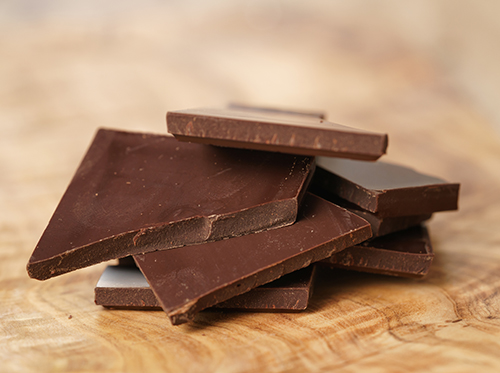
Valentine’s Day is the holiday to celebrate all the treasured relationships in your life. It’s a time to honor love in all shapes and forms with cards, social gatherings, and sometimes even binge eating of sweets.

It's hard to look the other way when grocery stores and pharmacies are invaded with goodies connected to the Valentine’s Day theme, and especially if you’re on the receiving end of some of these sweets. We get it. In fact, we’re all for it!

However, we also support a cavity-free smile. So in the interest of your dental and general health, and because we think it’s genuinely tasty, Dr. Keith J. Fabre Jr. recommends an alternative to the Valentine treats you may be accustomed to: dark chocolate. 

Yes, Healthy Chocolate Exists

Studies have shown that dark chocolate is high in flavonoids, an ingredient found in the cocoa beans used to make chocolate. Flavonoids can help protect the body against toxins, reduce blood pressure, and improve blood flow to the heart and brain.

By opting for dark chocolate rather than milk chocolate, you get to reap these benefits! Pretty sweet, right? Just make sure to stick to high-quality dark chocolates that have undergone minimal processing.

Dark Chocolate, AKA Protector of Teeth

Not only does dark chocolate provide some nice benefits for your overall health, it also helps protect your teeth against cavities! According to the Texas A&M Health Science Center, dark chocolate contains high amounts of tannins, another ingredient present in cocoa beans.

Tannins can actually help prevent cavities by interfering with the bacteria that causes them. Think of them as scarecrows for bacteria. They don’t always prevail, but isn’t it nice to have them there?

Smooth Never Sticky

Unlike many popular candies, dark chocolate is less likely to stick in the crevices of your teeth. Chewy, gooey sweets are more likely to hang around in your mouth for longer periods of time, which means they raise the odds of your harboring cavity-creating bacteria.

While some dark chocolates have additives like caramel or marshmallow, it’s best to opt for the plain varieties, which are just as delicious. If you’re feeling festive, though, a dark chocolate with caramel is still better than a milk chocolate with caramel, so that’s the way to go!

While dark chocolate has some pretty sweet benefits, the most important thing to remember (whether you go the dark chocolate route or not), is that moderation is key. That being said, we hope you have fun satisfying your sweet tooth and shopping for treats for your friends and loved ones. Happy Valentine’s Day from all of us at Fabre Family Dental Care of Marrero!

Heading Off to College? Maybe It’s Time to Graduate to an Electric Toothbrush!

February 3rd, 2022

Your trusty manual toothbrush has been with you from pre-school through high school—well, obviously not the same manual toothbrush, because that would be seriously unhygienic—but it’s the kind of toothbrush you’re used to and comfortable with.

Now, though, you’re off to college, and your lifestyle will be changing. Late night study sessions complete with study session snacks. Getting caught up in a project and making dinner from dorm vending machines. Grabbing fast food on the way to the practice field, or work-study job, or evening class. You get the point—meals can be hectic, unscheduled, and less than tooth friendly.

Maybe it’s time to consider an electric toothbrush. After all, anything that can make your life easier and more efficient during busy college days deserves a spot in your dorm room.

  • Electric Brushes Are Effective

The most important reason to switch to an electric toothbrush is its effectiveness. Several studies have shown that regular use of an electric toothbrush leads to a marked reduction in plaque, that bacteria-filled film which sticks to the teeth and leads to cavities and gingivitis. And it’s really no surprise that an electric brush can out-perform a manual brush.

Electric toothbrushes offer several design options, from oscillating/rotating brushes to oscillating/rotating/pulsating models to brushes using sonic vibration technology. What these technologies all have in common is the ability to remove plaque far more efficiently than we can on our own, because electric brushes provide the equivalent of thousands and even tens of thousands of brushstrokes per minute, compared to the hundreds we can achieve by hand.

You know by now what your brushing habits are like. If you tend to be a bit cavalier with your brushing and flossing, make sure you set yourself up for success. Because you have better things to do during semester breaks and summer vacations than visiting Dr. Keith J. Fabre Jr.!

  • Electric Brushes Can Make Life Easier

Several of today’s electric brushes come with options designed to do more than simply remove plaque. They can let you know if you’ve brushed for the recommended two minutes, alert you if you’re brushing too hard, and even remind you when it’s time to replace the brush head.

Want more from your electric brush? Some models offer apps that can map out just where you’ve brushed, in case there are a few spots that often get overlooked. Or provide different brushing modes for daily cleaning, deep cleaning, whitening, and more. Or come with a travel case that can recharge while you’re busy exploring the world—or going home for a visit.

In the end, it’s up to you. Do some independent study and research the toothbrushes that will give you the best results for your individual brushing habits. You might not need or want a brush with all the technological bells and whistles.

If you’re comfortable with your manual brush and you get good grades when you visit our Marrero office, stick with it. But if you think you might benefit from the ease and efficiency of an electric toothbrush, if an electric toothbrush makes your teeth and gums healthier and your smile brighter, that’s an extra credit project worth pursuing.

Considerations When Picking the Right Mouthwash

January 27th, 2022

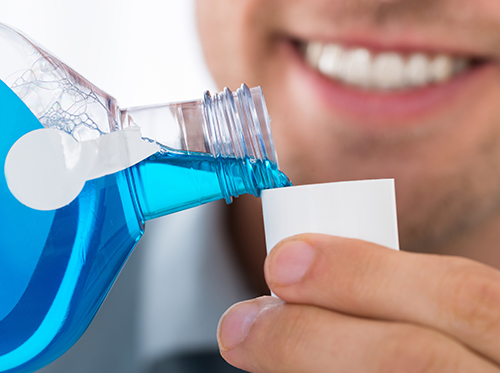
A solid oral health routine begins with daily brushing, flossing, and rinsing. Without a consistent oral health regimen, you may begin to experience tooth decay and bacterial infections. Few patients ask Dr. Keith J. Fabre Jr. about different mouthwash options, so we’ve put together a list of the conditions that mouthwashes can treat. This should help you decide which oral rinse would be best for you.

Gum Health

Antiseptic mouthwashes reduce large amounts of bacteria on and near the gum line and generally help to decrease your chances of developing gingivitis. The key ingredients of antiseptic mouthwashes are antibacterial and antimicrobial items. Antiseptic mouthwash is a preferable option if you are concerned about the general gum health of your mouth.

Fluoride

Fluoride is a great tool for preventive tooth decay treatment. It prevents tooth decay and is great for oral health in general because it kills germs that can live in your mouth. Fluoride also builds stronger teeth. If you’re a bottled water drinker, Dr. Keith J. Fabre Jr. may recommend that you purchase a simple fluoride rinse to use after brushing.

Bad Breath

Fluoride mouthwash can be used to fight any bad breath issues you may be facing. It’s designed to combat any bacteria that might be building up in your mouth. Most mouthwashes will help eliminate bad breath, but some are specifically designed to address this difficult problem. If you feel as though this might be turning into a chronic problem, please contact Dr. Keith J. Fabre Jr. to discuss other options that would be effective for treating your symptoms.

American Dental Association (ADA Approval)

The ADA reviews all mouth rinses for safety measures and to prove effectiveness. Any mouthwash approved by the ADA has met strict guidelines according to whether the manufacturer’s claims are supported with scientific evidence. If you’re looking for a quality mouthwash, look for one that has the ADA seal of approval to ensure you have a great rinse for your mouth.

Considerations

When you’re trying to decide which mouthwash to pick, contact our Marrero or ask Dr. Keith J. Fabre Jr. during your next appointment. If you experience a burning sensation in the soft tissues of your mouth, be sure to discontinue use immediately. Avoid letting children under age six use a mouth rinse, and be sure to keep all mouthwashes out of the reach of children, because they contain alcohol and other substances that could be harmful.

Diabetes and Dental Care

January 20th, 2022

When most people think of complications of diabetes, they think of an increased risk of blindness, limb amputation, heart disease, and neuropathy. However, Dr. Keith J. Fabre Jr. and our team want you to know that emerging research is revealing a possible connection between uncontrolled diabetes and dental problems. Whether you have type 2 diabetes or type 1, uncontrolled high blood glucose level increases the risk of certain oral health conditions, including:

  • Cavities
  • Tooth decay
  • Gingivitis (early gum disease)
  • Periodontal disease (advanced gum disease)

Diabetes and proper dental care

If you have diabetes, it is more important than ever to take your dental care seriously and practice excellent oral hygiene. These recommendations will help:

  1. Manage your diabetes. First and foremost, it is vital to control your high blood sugar in accordance with your physician’s instructions — not only for the sake of your oral health, but your overall health. With properly controlled blood sugar, you reduce your risk of developing gingivitis and other oral health issues.
  2. Practice good at-home oral hygiene. This means brushing at least twice a day AND flossing. At a minimum, brush your teeth in the morning and at night, but after meals and snacks if you can. Use a soft toothbrush to avoid injuring your gums. Don’t neglect flossing, because it helps to remove plaque below the gumline and between teeth.
  3. Visit the dentist regularly. While it is important to see the dentist every six months even if you don’t have diabetes, it is even more crucial to have a professional teeth cleaning and dental exam if you have the disease. As dental professionals, our team at Fabre Family Dental Care of Marrero is able to detect early dental conditions before they develop into something more serious and costly.
  4. Tell your dentist that you have diabetes. If you were recently diagnosed with diabetes, be sure to let us know as soon as possible, and remind us at every appointment.
  5. Be conscientious about examining your own gums and teeth. By looking for early signs of gum disease, which can include bleeding gums, irritated gums, gums that are red (versus a healthy pink), or swelling, we can get started on treatment right away.

Managing diabetes takes effort, not only in watching your diet, exercising, monitoring your blood sugar levels, and taking your medication, but obtaining proper dental care.

To learn more about the link between diabetes and oral health, or to schedule an appointment with Dr. Keith J. Fabre Jr., please give us a call at our convenient Marrero office!