
Our Blog

Four Tips for Soothing a Toothache

November 10th, 2016
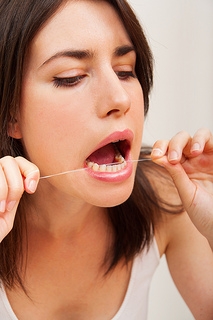
Whether it’s a dull and throbbing ache or a sharp pain, toothaches can come in many different forms. Chances are you’ve had the discomforting experience once or twice in your life. It’s the type of experience that nobody wants to have, because a toothache can be as annoying as fingernails scratching a chalkboard.

What’s a good way to describe a toothache? Let’s see … your mouth feels as if it’s being besieged by one of those Loony Tunes-style jackhammers. As fate would have it, toothaches always seem to occur over the weekend or after-office hours, leaving you to suffer and forcing you to cancel your reservation at that high-end restaurant you’ve been anticipating all week.

Not so fast!

While you’re probably going to want to skip the rib-eye steak, there are numerous tried-and-true home remedies you can use to ease the pain until you can make an appointment with our office. Here’s a look at four ways to soothe a toothache.

  1. Don’t underestimate the power of salt water. Rinsing your mouth with warm salt water will both soothe your toothache and disinfect your mouth. However, make sure the water is warm; cold water can further exacerbate a sensitive tooth. Follow up the saltwater rinse by swishing your mouth with hydrogen peroxide.
  2. Clove oil, eucalyptus oil, peppermint oil, and vanilla extract are proven to be comforting elixirs. Dip a cotton swab in one of these mixtures and apply it to your tooth and gums. These substances, which you may even have in your kitchen cupboards, are known to have pain-relieving qualities. For the best results, repeat the application throughout the day.
  3. Eating yogurt is good for toothaches and mouth pain. Yogurt is filled with healthy bacteria that combat pain. Afterward, place a cold compress on your jaw.
  4. Try flossing. Your toothache might be throbbing and severe, but there’s always a chance the pain is caused by a piece of food awkwardly lodged in your teeth.

We hope that helps! Give William J Carlisle III and Associates a call to learn more!

November Marks National Diabetes Awareness Month

November 2nd, 2016

Diabetes is a chronic disease that increases the risk for many serious health problems, including severe gum disease. November is Diabetes Awareness Month, and it’s a great time for us at William J Carlisle III and Associates to remind our patients that the way you care for your teeth at home doesn’t just affect your oral health; keeping your mouth healthy is vital to your overall health, too.

Diabetes is the result of a deficiency, or lack of the hormone insulin to properly transport glucose (blood sugar) to the cells throughout the body. According to the American Diabetes Association, the most common types of diabetes are Type One (90-95 percent of cases), Type Two (five percent), and gestational or pregnancy diabetes. Women who have had gestational diabetes have a 35 to 60 percent chance of developing diabetes, mostly Type Two, in the ten to 20 years following their pregnancy.

In the past decade, researchers have found links between periodontal (gum) disease and diabetes. Not only are people with diabetes more vulnerable to gum disease, but diabetes may also have the potential to affect blood glucose control, as well as contribute to the advancement of diabetes.

Nearly 26 million Americans currently live with the disease, with an additional 79 million in the pre-diabetes stage. There is some good news we want you to know, however; you can protect your gums and teeth from the effects of diabetes by visiting our Marrero office for an exam. Patients who are living with diabetes may require more often visits to ensure their dental health remains in tip-top shape. Many insurance plans provide expanded benefits for diabetic patients, and Drs. Carlisle and Fabre can tell you how often you need to come in for an appointment.

For more information on how we can help, please do not hesitate to give us a call at our Marrero office.

Halloween: Candy, costumes, and more!

October 26th, 2016

All Hallows' Eve, more commonly known as Halloween, is a yearly event celebrated on October 31, and one that is anticipated by the young and young at heart all over the world. Some scholars claim that Halloween originated from Celtic festivals that honored the dead or that celebrated the harvest, while others doubt that there's any connection at all to Samhain (a Gaelic harvest festival.) Regardless of its origin, our team at the dental office of Drs. Carlisle and Fabre hopes that Halloween is fun and enjoyed by all of our awesome patients!

Trick or treat?

In North America, Halloween is predominantly celebrated by children who dress up in costumes, which range from scary to cute, who then go around the neighborhood knocking on doors asking "trick or treat", and they are given candy in return. Trick-or-treating is a time honored tradition, and though many parents groan at the pounds and pounds of candy collected by youngsters and fear for the health of their teeth, there are a few things you can do to help their teeth stay in great shape until the candy is gone:

  • Limit the amount of candy they can consume each day
  • Have them brush their teeth after eating candy
  • Avoid hard, chewy candies as they can stick in hard to brush places
  • Keep candy out of sight to reduce temptation
  • Don't buy candy too far in advance to limit pre-Halloween consumption
  • Help or encourage your children to floss

Halloween Fun

Halloween isn't just about gorging on candy; there are other events associated with this festive day including carving jack-o'-lanterns, painting pumpkins, decorating sugar cookies, bobbing for apples, going to haunted houses, or just curling up on the couch with a bowl full of popcorn and watching some classic, scary movies.

Halloween Around the World

Some countries, like Australia, frown upon Halloween, claiming it is an American event and not based in Australian culture, while others like Italy have embraced the fun and celebrate much as Canadians and Americans do. Mexicans have been celebrating this fun day since around 1960, and it marks the beginning of the Day of the Dead festival. Some countries in Europe have come late to the party, but since the 1990s, countries like Sweden, Norway, and Germany have started celebrating Halloween as well, and finding children in costumes or having ghosts hanging in windows has become commonplace.

Halloween is about fun; stepping outside our normal lives and donning a costume or gathering with friends to knock on doors and ask for candy is as much a part of our culture as hot dogs and barbecue on Labor Day. Have a safe and happy Halloween from the team at William J Carlisle III and Associates!

Solutions for Dry Mouth (Xerostomia)

October 19th, 2016

Dry mouth, or xerostomia, is a common side effect of many medications. It can also be a side effect of cancer treatments, or the result of certain auto-immune diseases. Drs. Carlisle and Fabre and our team at William J Carlisle III and Associates will tell you that for most people, discontinuing their medication isn’t an option. The solution is two-fold: find ways to increase saliva production and eliminate specific things that are likely to increase dryness in the mouth.

Lack of saliva creates a situation in the mouth that allows harmful organisms such as yeast and bacteria to thrive. It may also make it difficult to swallow food, create a burning feeling in your mouth, or cause bad breath, among other problems.

Medications that are known to cause dry mouth include:

  • Anti-depressant drugs
  • Anti-anxiety medications
  • Drugs for lowering blood pressure
  • Allergy and cold medications — antihistamines and decongestants
  • Chemotherapy drugs
  • Medications to alleviate pain
  • Drugs used in the treatment of Parkinson’s disease

Saliva helps people digest their food. It also functions as a natural mouth cleanser. Xerostomia increases the risk you will develop gum disease or suffer from tooth decay.

Solutions for dry mouth

  • Carry water wherever you go, and make a point of taking regular sips.
  • Avoid oral rinses that contain alcohol or peroxide.
  • Chew sugarless gum or suck on sugarless hard candies that contain xylitol.
  • Limit your consumption of caffeine, carbonated beverages (including seltzer and sparkling waters), and alcoholic beverages.
  • Brush your teeth at least twice a day, and use dental floss or other inter-dental products to remove food particles that get stuck between your teeth.
  • Look for oral rinses and other oral hygiene products that bear the American Dental Association (ADA) Seal of Approval.
  • Brush your teeth and use oral rinses that contain xylitol. Certain gels and oral sprays are equally helpful. Biotene is one over-the-counter brand that makes products designed to treat dry mouth.
  • Make sure you get your teeth checked and cleaned twice a year. Drs. Carlisle and Fabre will be able to examine your mouth for problems and treat them before they turn into something more serious.

You may not be able to solve your dry mouth problem altogether, but you’ll be able to deal with it by following these recommendations. You’ll be able to increase saliva production while reducing your risk of more serious dental problems. To learn more about preventing dry mouth, or to schedule an appointment with Drs. Carlisle and Fabre, please give us a call at our convenient Marrero office!