Our Blog

Dental Filling Options

August 11th, 2022
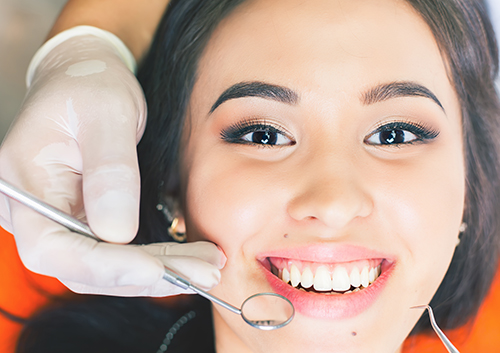
You’ve made an appointment at our Marrero office to treat your cavity, the decayed area has been removed, and the site has been cleaned and prepared for a filling. Now it’s decision time. What kind of filling should you choose? Well, that depends. There are durability, aesthetic, and price considerations involved in any of your choices, so let’s look at some options before you decide.

Gold

This is a classic choice for a reason. Gold is very durable and can last longer than fillings made from other materials. Because they are crafted from precious metal, gold fillings are more expensive than other alternatives. They are also most often indirect fillings—that is, they are not immediately placed in a tooth, but are formed based on a mold of your tooth taken on your first visit and set in position on a second visit. A gold filling is also noticeable, which can be a matter of concern or a style statement!

Metal Amalgam

An amalgam is a mixture, and an amalgam filling is usually composed of several metallic elements, including silver, tin, copper, and mercury. This filling is also very durable and is one of the most cost-effective choices. Its silver color does not blend into the tooth, so visibility is a factor. Amalgam fillings are considered a safe option, but, if you wonder about potential metal allergies or the amount and kind of mercury involved, we will be happy to discuss your concerns. One possible drawback to amalgam fillings is that sometimes more tooth structure needs to be removed to accommodate them, so this is also a subject we can discuss.

Composite Resins

These fillings are often selected because they are both durable and almost invisible when the color is matched to your tooth. Made of acrylic resin and powdered glass, a composite filling is what is called a “direct filling”—one that can be completed and bonded to the tooth in one visit. These are often more expensive than amalgam fillings, but might be preferable for cosmetic reasons, especially when a front tooth is involved. They also need less tooth structure removed to accommodate them and can be better bonded to small excavations than some other options. They can be prone to staining over time.

Ceramic

Ceramic fillings have the virtue of being virtually undetectable. They can be color-matched to your teeth for a seamless look, and are more stain-resistant than composite fillings. They are also a more expensive option, and, like gold fillings, can involve a two-phase process with a filling molded to fit the excavation site placed in your tooth on a second visit.

Dr. Keith J. Fabre Jr. and our team are happy to discuss all of your options before it is time to treat your cavity, since there are a number of factors which might impact your decision. A molar will require a more durable filling than a front tooth, while being less visible when you smile or speak. Insurance plans might pay for only a portion of a filling’s cost if it is more expensive than an amalgam, or will pay for a composite filling only if it is in a visible location. We can help you decide which filling best fits all your needs, providing you with the healthy and beautiful smile you deserve!


Hot Day? Three Drinks to Leave Home When You’re Packing the Cooler

August 4th, 2022

Whew! It’s a hot one! And whenever the temperature soars, you need to stay hydrated, especially when you’re outside or exercising. But all cold drinks aren’t equal when it comes to healthy hydration. Which beverages shouldn’t have a prime spot in your cooler when you’re wearing braces or aligners?

  • Soft Drinks

You’re probably not surprised to find soft drinks at the top of the list. After all, sugar is a) a big part of what makes soda so popular, and b) not a healthy choice for your teeth.

Sugar is a favorite food source for the oral bacteria that make up plaque. These bacteria convert sugar into acids, and these acids attack the surface of your tooth enamel. Over time, the minerals which keep enamel strong begin to erode, and weakened, eroded enamel is a lot more susceptible to cavities.

So, what about sugar-free drinks? Does this make soft drinks a better choice? Unfortunately, you can take the sugar out of many sodas, but you can’t take the acids out. Most soft drinks are very acidic, even without sugar, and will cause enamel erosion just like the acids created by bacteria will.

  • Fruit Drinks

Fruit juice provides us with vitamins, which is great, but it’s also full of natural sugars and acids. And blended fruit drinks and fruit punches often contain added sugars and added citric acids. Best to choose 100% fruit content and check the labels before you buy. (And you can always get refreshing fruit flavor by adding a slice of fruit to a glass of water.)

  • Sports Drinks

You might be surprised to see these on the list—after all, they promise healthy hydration while you’re working out. And hydration is healthy—but sugars and acids aren’t. Even when the label tells you there’s no added sugar, that same label will often reveal high amounts of citric acid. In fact, some sports drinks are more acidic than sodas.

We’ll make an exception, though, for thirsty people who participate in sports or activities that require a lot of physical exercise and produce a lot of sweat. When we sweat, we lose electrolytes, those ionized minerals which help regulate many vital bodily functions. Talk to Dr. Keith J. Fabre Jr. about which sports drinks are best for you if you need to replenish your electrolytes when working out.

So, what’s your best hydration choice on a hot day? Water! It not only hydrates you, it cleans your teeth, it helps you produce saliva, and it often contains tooth-strengthening fluoride. But if you only have sports drinks in the cooler, or if you just want to enjoy a soft drink or a bottle of juice from time to time, no need to go thirsty. We have some ways to make sure your teeth are safer, even with this tricky trio:

  • Rinse with water after you drink a sugary or acidic drink. And remember to brush when you get home.
  • Be choosy. Check labels for added sugars and acids.
  • Don’t sip your drinks all day long. Saliva actually helps neutralize acids in the mouth, but sipping acidic beverages throughout the day doesn’t give saliva a chance to work.
  • Use a straw to avoid washing your enamel in sugars and acids.

You need to keep hydrated when it’s hot. When you’re packing your cooler, choose drinks that are healthy for your entire body, including your teeth and gums. Ask our Marrero team for the best choices in cold drinks to make sure you’re getting the hydration you need—without the sugar and acids you don’t!

My teeth don't line up any more. Why?

July 28th, 2022

If your teeth don't line up like they used to any more, you may be suffering from temporomandibular joint disorder, often called TMD. This is a term that can actually be applied to any condition that occurs because the temporomandibular joint (TMJ) is inflamed.

The temporomandibular joint is essentially the hinge that holds your lower jaw to your skull, and when it is inflamed or damaged in any way, it can be extremely painful. You have two temporomandibular joint, one on each side of your jaw, and it is typical to experience TMD in both sides at the same time.

Shifting of the Teeth

The reason that your teeth may not line up as they once did is that the ball and socket joints are often out of alignment and, as mentioned above, often very inflamed as a result. In order to correct the problem, Dr. Keith J. Fabre Jr. may prescribe dental orthotics such as a lower jaw splint.

Sometimes, the wisdom teeth can play a role in the shifting of the teeth as well. If shifting wisdom teeth is combined with TMD, it may be necessary to have your wisdom teeth removed. Dental splints may follow if your teeth don't shift back to their proper positions on their own.

TMD is certainly a difficult thing to deal with, so if you experience your teeth shifting, scheduling an appointment at our Marrero office is the smartest course. We want to help you get your smile back, so give us a call anytime.

Aging and Oral Health

July 21st, 2022

As you age, it becomes even more important to take good care of your teeth and dental health. According to the Centers for Disease Control and Prevention, approximately one-fourth of adults age 65 and older have no remaining teeth. What's more, nearly one-third of older adults have untreated tooth decay.

Oral health, regardless of age, is crucial to overall good health. Ideally, we all want to keep your natural teeth, but whether you're caring for natural teeth or dentures, advancing age may put older adults at risk for a number of oral health problems, including:

  • Dry mouth
  • Diminished sense of taste
  • Root decay
  • Gum disease
  • Uneven jawbone caused by tooth loss
  • Denture-induced tissue inflammation
  • Overgrowth of fungus in the mouth
  • Attrition (loss of teeth structure by mechanical forces)
  • Oral cancer

These conditions may not be diagnosed until it is too late. If you want to feel good, stay healthy, and look great throughout life, you might be surprised what a difference a healthy mouth makes.

Here are some tips for maintaining and improving your oral health as you become older:

  • Brush twice a day with a toothbrush with soft bristles. You may also benefit from using an electric toothbrush.
  • Clean between your teeth once a day with floss or another interdental cleaner.
  • If you wear full or partial dentures, remember to clean them on a daily basis. Take your dentures out of your mouth for at least four hours every day. It’s best to remove them at night.
  • Drink tap water. Since most contains fluoride, it helps prevent tooth decay no matter how old you are.
  • Quit smoking. Besides putting you at greater risk for lung and other cancers, smoking increases problems with gum disease, tooth decay, and tooth loss.
  • Visit Fabre Family Dental Care of Marrero regularly for a complete dental checkup.

If you have any questions about keeping up with your oral hygiene at home, please give us a call!