Our Blog

Considerations When Picking the Right Mouthwash

January 27th, 2022

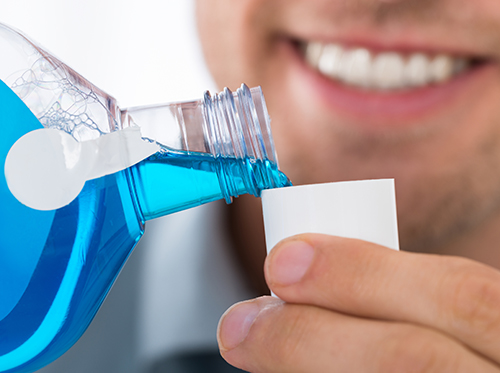
A solid oral health routine begins with daily brushing, flossing, and rinsing. Without a consistent oral health regimen, you may begin to experience tooth decay and bacterial infections. Few patients ask Dr. Keith J. Fabre Jr. about different mouthwash options, so we’ve put together a list of the conditions that mouthwashes can treat. This should help you decide which oral rinse would be best for you.

Gum Health

Antiseptic mouthwashes reduce large amounts of bacteria on and near the gum line and generally help to decrease your chances of developing gingivitis. The key ingredients of antiseptic mouthwashes are antibacterial and antimicrobial items. Antiseptic mouthwash is a preferable option if you are concerned about the general gum health of your mouth.

Fluoride

Fluoride is a great tool for preventive tooth decay treatment. It prevents tooth decay and is great for oral health in general because it kills germs that can live in your mouth. Fluoride also builds stronger teeth. If you’re a bottled water drinker, Dr. Keith J. Fabre Jr. may recommend that you purchase a simple fluoride rinse to use after brushing.

Bad Breath

Fluoride mouthwash can be used to fight any bad breath issues you may be facing. It’s designed to combat any bacteria that might be building up in your mouth. Most mouthwashes will help eliminate bad breath, but some are specifically designed to address this difficult problem. If you feel as though this might be turning into a chronic problem, please contact Dr. Keith J. Fabre Jr. to discuss other options that would be effective for treating your symptoms.

American Dental Association (ADA Approval)

The ADA reviews all mouth rinses for safety measures and to prove effectiveness. Any mouthwash approved by the ADA has met strict guidelines according to whether the manufacturer’s claims are supported with scientific evidence. If you’re looking for a quality mouthwash, look for one that has the ADA seal of approval to ensure you have a great rinse for your mouth.

Considerations

When you’re trying to decide which mouthwash to pick, contact our Marrero or ask Dr. Keith J. Fabre Jr. during your next appointment. If you experience a burning sensation in the soft tissues of your mouth, be sure to discontinue use immediately. Avoid letting children under age six use a mouth rinse, and be sure to keep all mouthwashes out of the reach of children, because they contain alcohol and other substances that could be harmful.

Diabetes and Dental Care

January 20th, 2022

When most people think of complications of diabetes, they think of an increased risk of blindness, limb amputation, heart disease, and neuropathy. However, Dr. Keith J. Fabre Jr. and our team want you to know that emerging research is revealing a possible connection between uncontrolled diabetes and dental problems. Whether you have type 2 diabetes or type 1, uncontrolled high blood glucose level increases the risk of certain oral health conditions, including:

  • Cavities
  • Tooth decay
  • Gingivitis (early gum disease)
  • Periodontal disease (advanced gum disease)

Diabetes and proper dental care

If you have diabetes, it is more important than ever to take your dental care seriously and practice excellent oral hygiene. These recommendations will help:

  1. Manage your diabetes. First and foremost, it is vital to control your high blood sugar in accordance with your physician’s instructions — not only for the sake of your oral health, but your overall health. With properly controlled blood sugar, you reduce your risk of developing gingivitis and other oral health issues.
  2. Practice good at-home oral hygiene. This means brushing at least twice a day AND flossing. At a minimum, brush your teeth in the morning and at night, but after meals and snacks if you can. Use a soft toothbrush to avoid injuring your gums. Don’t neglect flossing, because it helps to remove plaque below the gumline and between teeth.
  3. Visit the dentist regularly. While it is important to see the dentist every six months even if you don’t have diabetes, it is even more crucial to have a professional teeth cleaning and dental exam if you have the disease. As dental professionals, our team at Fabre Family Dental Care of Marrero is able to detect early dental conditions before they develop into something more serious and costly.
  4. Tell your dentist that you have diabetes. If you were recently diagnosed with diabetes, be sure to let us know as soon as possible, and remind us at every appointment.
  5. Be conscientious about examining your own gums and teeth. By looking for early signs of gum disease, which can include bleeding gums, irritated gums, gums that are red (versus a healthy pink), or swelling, we can get started on treatment right away.

Managing diabetes takes effort, not only in watching your diet, exercising, monitoring your blood sugar levels, and taking your medication, but obtaining proper dental care.

To learn more about the link between diabetes and oral health, or to schedule an appointment with Dr. Keith J. Fabre Jr., please give us a call at our convenient Marrero office!

Five Things You Should Never Do With Your Toothbrush

January 13th, 2022

When’s the last time you gave your toothbrush any serious thought? Sure, you use it every day (and ideally twice), and you know that with a dollop of toothpaste it waxes up your pearly whites nicely, not to mention preventing bacteria, plaque, and inflammation.

But what are the things you should never do with your toothbrush? Here’s a brush-up on five toothbrush no-nos, from Fabre Family Dental Care of Marrero.

1. If you have your toothbrush too close to the toilet, you’re brushing your teeth with what’s in your toilet. In other words, keep your toothbrush stored as far from the toilet as possible.

2. The average toothbrush harbors ten million microbes. Many families keep their toothbrushes jammed together in a cup holder on the bathroom sink, but this can lead to cross-contamination. Family members’ toothbrushes should be kept an inch apart. Don’t worry; they won’t take it personally.

3. Don’t delay replacing your toothbrush. It’s best to purchase a new one every three to four months, but by all means get one sooner if the bristles are broken down because of your frequent and vigorous brushing. If you have a cold or the flu, replace your toothbrush after you recover.

4. Store your toothbrush out of the reach of toddlers. The last thing you want is for your toothbrush to be chewed like a pacifier, dipped in toilet water, or used to probe the dusty heating ducts.

5. Sharing is caring, right? Your parents probably taught you the importance of sharing back when you were, well, dipping their improperly stored toothbrushes in toilet water. But here’s the thing: As important as sharing is, there are some things you just don’t share, and your toothbrush is one of them.

Resolving to Eat Better in the New Year

December 30th, 2021

It’s a new year, and a resolution found on many lists is learning to be more mindful about healthy food choices. You might have set some of these goals yourself. Gaining, losing, or maintaining your current weight. More fruits and veggies. Better proteins. Less sugar. Fewer carbs. You want to make this new year your healthiest year yet.

And while you’re making your new and improved shopping list, don’t forget your oral health! Because while brushing and flossing are extremely important, your diet can also have very real benefits for your teeth and gums.

Stronger Teeth and Jaws

We often talk about teeth and bones together, and that’s natural. Calcium and phosphorus, as well as other minerals, make them the strongest parts of our bodies. When teeth lose mineral strength, they are more vulnerable to cavities, and bone loss in the jaw can cause loose or even lost teeth.

Making sure you get the recommended daily amount of the minerals and vitamins you need will help sustain and repair both teeth and bones. A diet rich in calcium, phosphorus, and vitamin D helps build strong bones and promotes bone density. While your teeth can’t create new enamel, minerals that are eroded by acids from plaque and acidic foods can be restored, or remineralized, with the calcium and phosphates in saliva.

  • Calcium

Strong teeth and bones need calcium. More than 99% of the calcium in our bodies is located in our teeth and bones. How to make sure we get enough?

Dairy products are the traditional answer. Several servings of milk, cheese, or yogurt each day supply most of our needs. If you can’t eat dairy, though, calcium is also found in other foods, such as salmon, sardines, many dark leafy vegetables, and fortified juices, tofu, and cereals.

  • Phosphorus

Calcium gets most of the attention when it comes to creating strong teeth and bones, but it’s not a solo act. We need phosphorus to make full use of the calcium in our diets.

Proteins like meat, fish, and poultry are good sources of phosphorus, as are beans, nuts, whole grains and dairy.

  • Vitamin D

Vitamin D is a diet essential because it enables us to absorb the calcium and phosphorus that keep teeth and bones strong.

Most dairy and many other foods are fortified with vitamin D, such as cow’s milk, soymilk, orange juice, and cereals. Egg yolks and fatty fish, such as salmon, tuna, and herring, are also a rich natural source of the vitamin.

Healthy Gums

Gum disease is more than just a nuisance. Left untreated, gingivitis (early gum disease) can become periodontitis (serious gum disease). Periodontitis can cause infection, loose teeth, and tooth and bone loss.

Brushing and flossing promote gum health and help prevent gum disease, but your diet plays an important role, too.  

  • Vitamin A

Vitamin A is essential for the health and healing of mucous membranes, including gum tissue and the soft membranes in the mouth.

You can get this vitamin directly from animal products such as dairy foods and meats, or it can be formed in the body from beta-carotenes. Think orange when you hit the produce aisle, because foods such as carrots, peppers, pumpkin, squash, and sweet potatoes are a rich source of beta-carotenes.

  • Vitamin C

Vitamin C is one of the so-called “essential nutrients.” These are the nutrients that are necessary for our bodies to function properly, and which can only be supplied in our diets. Vitamin C is vital for healthy gums and soft tissue—in fact, one sign that your diet is deficient in vitamin C is inflamed and bleeding gums.

Citrus fruits, those oranges, lemons, limes, grapefruit, and all their cousins, are a wonderful source of vitamin C, but you have many other flavorful options. Fruits such as kiwis, mangos, papayas, and strawberries are rich in vitamin C. Step over to the vegetable aisle to load up on red peppers, kale, cauliflower, Brussels sprouts, and broccoli—all of which contain more vitamin C per serving than a medium orange!

Fewer Cavities

Plaque thrives on a diet of sugar. Oral bacteria in plaque use the sugars in our food to produce acids. These acids erode enamel and eventually lead to cavities. Limiting your sugar consumption and choosing complex carbohydrates over simple carbs are two ways to reduce your risk of cavities.

  • Sugars

The usual suspects—candies, desserts, pastries, sodas—are sugar-filled items you’re familiar with. What might surprise you is the amount of sugar in sports drinks, fruit juices, flavored yogurts, breakfast cereals, and other standard grocery purchases. Checking labels for sugar content is a great way to cut down on unexpected sweeteners.

  • Carbs

The refined starches in white bread, white rice, potato chips, and other simpler carbohydrates quickly break down into sugars. This is the kind of nutrition only plaque appreciates.

Instead, fill your cart with complex carbohydrates, which contain important vitamins, minerals, and fiber. Found in foods like whole-grain breads and cereals, legumes, and many vegetables, complex carbs break down slowly for longer-lasting energy.

Of course, these suggestions don’t cover everything on your healthy dental shopping list. We could add magnesium for bone density, vitamin B to prevent oral irritation and inflammation, vitamin K for bone strength, and more. To find out the best options for your healthiest smile, talk to Dr. Keith J. Fabre Jr. or a member of our Marrero team about ideas for improving your daily diet.

Because besides leading to stronger teeth, healthier gums, and fewer cavities, a careful and conscious approach to your food choices has another wonderful benefit—a healthy dental diet is healthy for the rest of your body as well. Just something to be mindful of as we greet the new year!