Our Blog

April is National Facial Protection Month

April 5th, 2017
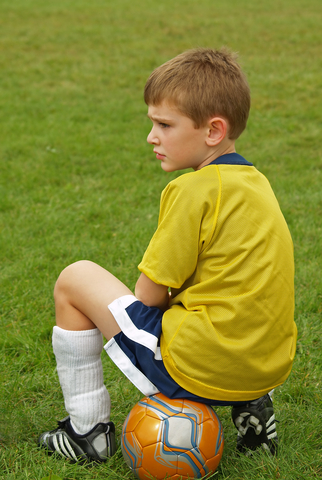
The Importance of Facial Protection

Americans from all walks of life should mark April as National Facial Protection Month on their calendars. The American Association of Pediatric Dentistry, Academy for Sports Dentistry, American Academy of Pediatric Dentistry, and American Association of Oral and Maxillofacial Surgeons have combined forces to sponsor this annual campaign, which aims to educate and remind us of the importance of protecting our face and teeth against impacts and injuries.

Wearing a helmet can save your life and prevent devastating physical damage in a variety of situations, from playing football to riding a bicycle. According to the American Association of Oral and Maxillofacial Surgeons, helmets reduce the risk of various head injuries by as much as 85 percent. Whether helmet laws apply in your area or not, Drs. Carlisle and Fabre and our team at William J Carlisle III and Associates want you to make sure you and your loved ones wear helmets with the appropriate safety ratings for specific activities. (A sticker on or inside the helmet will usually indicate this rating.) Helmets can also help save your teeth if they come with an attached faceguard, an essential addition for football players and others involved in contact sports.

Preventing Dental Injuries

A mouthguard can protect you against a variety of dental injuries, such as cracked, broken, or knocked-out teeth. The American Dental Association states that mouthguards play an essential role in preventing up to 200,000 dental injuries each year, and many states mandate their use for sports activities such as football and hockey. The Academy for Sports Dentistry warns, however, that these mouthguards must be custom-fitted as precisely as possible to prove effective. Have a professional-quality mouthguard molded and fitted by our team at William J Carlisle III and Associates for better protection than a generic store-bought or “boil-and-bite” variety can offer. These cheaper versions tend to wear out quickly, interfere with proper breathing, and provide uneven degrees of cushion against impacts. Always have a fresh mouthguard fitted for each new sports season.

Choose the right combination of helmet, faceguard, and mouthguard to protect your teeth and face this April, and tell your friends to do the same! To learn more about mouthguards, or to schedule an appointment with Drs. Carlisle and Fabre, please give us a call at our convenient Marrero office!

How do I make my child’s diet safe for his or her teeth?

March 29th, 2017

The food you feed your child can have a lasting effect on his or her oral health. In fact, diet plays a major role in whether a child develops cavities and decay, which can lead to many dental visits and potential tooth loss. So what should you feed your child to ensure he or she has a healthy smile for life?

Foods to Avoid

It is normal for your child to take interest in many foods -- especially those filled with sugar and carbohydrates. But as tasty as these foods are, they can cause rapid decay when eaten in excess. That’s not to say your child can never have sugar again. Drs. Carlisle and Fabre and our staff suggest limiting starchy and sugary foods such as candy and potato chips as much as possible.

Remember that some seemingly healthy foods can present the threat of decay too. Some of the most common culprits are sticky foods like peanut butter, raisins, and granola bars, which can stick to the teeth after eating. If you serve these foods to your child, be sure to have him or her brush immediately after eating to remove any lingering sugary residue.

Beverages

Many beverages marketed toward children contain sugar servings that far exceed the daily recommendations from national health organizations. They suggest no more than three to four teaspoons of added sugar per day for young children.

Make an effort to serve only water to your child any time other than meal times. During meals, allow your child to have milk or juice, but in limited serving sizes. Most importantly, never allow your young child to sleep with a bottle or “sippie cup” full of juice or milk. Doing so can cause rapid tooth decay: a condition known as “baby bottle caries.”

A Healthy and Balance Diet

So long as your child is brushing regularly and eating a healthy, balanced diet full of fruits, vegetables, lean proteins and whole grains, you should have little or no problem with tooth decay. For more questions about how your child’s diet affects his or her oral health, contact our Marrero office to schedule a consultation.

What are dental sealants and how do they work?

March 22nd, 2017

A dental sealant is a liquid that is applied to the teeth. The sealant hardens and provides a protective coating that is designed to reduce cavities and create a smoother tooth surface. Dental sealants are clear or white; they do not take away from the appearance of teeth. You can think about this treatment as being similar to varnish that protects a wood floor.

Sealants are not the same as fluoride treatments. The application is similar, but sealants are a semi-permanent protective coating. Drs. Carlisle and Fabre and our staff recommend that sealant applications for children begin soon after molars erupt, first molars around the age of six, and second molars around the age of 12.

Simple Application

Having sealants applied is not uncomfortable at all. First, your child's teeth will be cleaned and dried. A gel is applied, which helps the sealant adhere to the tooth, and then is rinsed away. Your child's teeth are dried again and the sealant is applied. A few seconds of exposure to a light source may be used to cure the sealant and make it semi-permanent. Sealants should last for a long time, normally between five and ten years.

Sealant Benefits

The coating on the surface of your child's teeth reduces the amount of acid contact. Normal acids in foods that are consumed can eat away at the surface of teeth. Bacteria also react to plaque formation and create more acid in the mouth. These small pits or weakened areas are prone to caries or cavity formation. Preventing cavities is a much better choice than drilling and filling damaged teeth.

A sealant also helps to smooth the chewing surfaces of your childn't teeth. The smoother surface is not as likely to retain small particles of food and bacteria. Your child's mouth stays cleaner and food is not left behind to form acids. The protective application can also be used on other teeth that have a rough surface, to protect the grooves or pits from decay.

After the sealant is applied, your child still needs to take proper care of his or her teeth. Regular brushing and flossing is required. Drs. Carlisle and Fabre may recommend fluoride treatments to strengthen and protect your child's teeth further.

If you have any concerns about sealants, please discuss them with during your child's next appointment at William J Carlisle III and Associates. We want your little one's teeth to stay healthy for life.

Go Green for St. Patrick’s Day

March 17th, 2017

Millions of people, around Marrero and beyond, wear green on St. Patrick’s Day so they can show their spirit for the holiday and avoid getting pinched. While it may be easy for you to throw on a green shirt, sport a St. Patrick’s Day button, or wear a pair of emerald-hued shoes, if you’re an avid St. Patty’s Day enthusiast you may want to try something different this year. Drs. Carlisle and Fabre thought of a few ideas that will help you take your holiday spirit to the next level:

Visit Chicago’s Green River

If you happen to be near the Windy City during St. Patrick’s Day or you’re thinking of planning a trip, don’t miss out on going downtown to watch the large-scale celebration that kicks off when the city dyes the river bright green. According to the Chicago Sun-Times, Chicago has been celebrating the holiday with this tradition for more than 50 years, with tens of thousands of people gathering annually to witness the mysterious dying process and the stunning result.

Don Green Face Paint

Just like an avid sports fan on game day, you can use green face paints to showcase your enthusiasm for this holiday. Avoid breakouts or allergic reactions by only using paints that are specifically meant to be applied to the skin. A little bit of face paint can cover a large area, so feel free to get creative and decorate the whole family on St. Patrick’s Day.

Eat Green All Day

Not a fan of green eggs and ham? With the increasing popularity of green smoothies, there’s no better time to get in on this health craze. To create a green smoothie without the aid of food coloring, you can simply blend a generous amount of a leafy green vegetable, such as spinach or kale, with the ingredients that you would typically use to make a smoothie, like fruit, ice, milk, or juice. Keep the trend going throughout the day by using those same vegetables to create a green soup, egg salad, or a batch of bright green pastries. As an added bonus, you’ll get a healthy dose of vitamins without changing the taste of most of these foods.

If your old holiday routine has gotten stale, leave your green T-shirt in the drawer and try one or all of these tips. Don’t be surprised if you have so much fun that you decide to start a new, annual St. Patrick’s Day tradition! Have a happy St. Paddy’s day from William J Carlisle III and Associates!