Our Blog

Help! My gums hurt when I floss!

March 9th, 2017
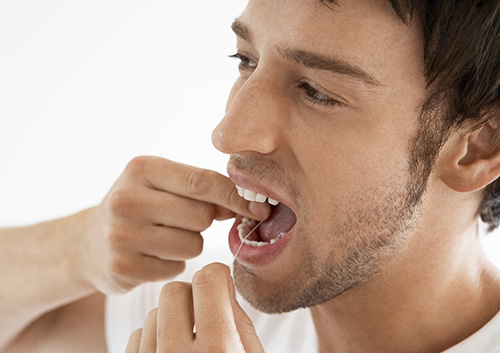
By no stretch is it rare for your gums to hurt during and after flossing. Even some bleeding is to be expected. This is especially true if you have not flossed in a long time. However, if your gums do indeed hurt when you floss, and unbearably so, there are some things you can do.

Be Gentle

Perhaps the most obvious way to combat gum soreness and bleeding is to be gentle. One of the most common occurrences of these gum problems is over-aggressive flossing. In other words, if you are too rough on your gums while flossing, either because you are out of practice or because you are in a hurry, soreness and hurting is to be expected. Instead, try taking your time and be gentle. Also, if you are just starting out, be patient and consistent, your gums will become more conditioned over time.

Use an Alternative Method

If being consistent and gentle does not work, there are other alternative methods of flossing that you can try. You can also try a water floss machine, or what is sometimes called a water pick. The device essentially shoots water into the crevasses between your teeth, and in other areas of your mouth, in order to dislodge food and plaque. These oral instruments also come with different attachments that allow you to reach many of the hard to see and reach areas of your mouth. And lastly, you can always buy floss that is not as abrasive to your gums. There is floss that comes with soft and gentle coatings that will do less harm to your gums while they are adjusting to the good oral hygiene habit you are creating.

Flossing is one of the easiest parts of oral hygiene to overlook. When you first start out, it is common that you may want to stop because of the pain it can initially cause. However, if you try one, or all, of the above mentioned methods, you will give yourself the best chance of being success with your flossing, and it won't hurt as much.

For more flossing tips, schedule an appointment at our Marrero office and askDrs. Carlisle and Fabre or a member of our team!


Good Nutrition Leads to Healthy Mouths

March 2nd, 2017

At William J Carlisle III and Associates, we know the most common oral health diseases are tooth decay and periodontal disease (or gum disease), and both are among the easiest to prevent. One of the most common ways we recommend to boost your oral health is by improving your diet, because you (and your mouth) truly are what you eat. A healthy diet can lead to a healthy mouth and body, while an unhealthy diet can lead to the exact opposite.

The Role Nutrition Plays

While diet is not the only factor that leads to periodontal disease, studies suggest the disease may be more severe among patients whose diets lack essential nutrients. Poor diets will generally lead to a weaker immune system, leaving your body susceptible to all kinds of ailments, including periodontal disease.

A Well-Balanced Approach

There is no “magic” diet that we can recommend to improve your oral health, but the most important thing is to seek a well-balanced approach in your eating. While fad diets that emphasize one food group over another may help you lose weight in the short-term, they probably will not provide all the nutrients your body needs in the long run.

Meals should include a balance of lean meats or other healthy protein sources, colorful fruits and vegetables, whole grains, low-fat dairy, and healthy fats. Foods containing substantial amounts of sugar and salt should be consumed in moderation.

Soda and Sugar: A Dangerous Duo

Millions of gallons of soda are consumed every day in America, but sipping a cold soft drink can be very harmful to your teeth. Many of these beverages wear down the enamel that protects the teeth, which weakens and even destroys them over time. The American Beverage Association estimates that soft drinks account for almost 30 percent of all drink consumption in the U.S., averaging an annual total of about 50 gallons per person (up from only 20 gallons in the 1970s). For healthy teeth and a healthy body overall, try to limit your soda intake.

Sugar is another ubiquitous treat in our daily lives. When we eat sugar, naturally occurring bacteria in our mouths convert it to acids that attack tooth enamel. Consuming too much sugar can swiftly lead to tooth decay, cavities, and gum diseases like gingivitis. Most people do not even realize how much sugar they consume each day. It’s important to limit your daily sugar intake by reading the labels of all the food you eat, and sticking with natural food sources that are low in sugar, especially ones that minimize added sugar, such as fruits and vegetables.

If you have questions about your diet and how it may be affecting your oral health, talk to Drs. Carlisle and Fabre about it. See you soon!

Do You Have an Ageless Smile? Let Us Help You Keep It!

February 23rd, 2017

In your golden years, you’ve become a pioneer in tooth care. Yours is probably the first generation in history that can expect to keep most of their natural teeth for a lifetime. You can probably guess the reasons: better oral care, advances in dentistry, improved nutrition, and a lower risk for diseases that could weaken teeth and gums.

As a pioneer, you’re learning with your dentists, and one thing we’ve found is that teeth change with age, just like the rest of the body. Even if your teeth can remain strong and white, here are a few things you may have to cope with:

Cavities: Tooth decay is not just for kids anymore. Seniors often develop cavities on the lower part of the tooth near the root. Thorough flossing and brushing along the gum line is the best preventive measure.

Sensitivity: Gums recede over time, and good dental habits only slow the process. Receding gums leave more of each tooth exposed, and the newly uncovered areas have less enamel. As a result, these teeth may be much more sensitive to hot and cold. If you find your teeth become more sensitive, try a toothpaste designed for sensitive teeth and be sure to tell Drs. Carlisle and Fabre about it at your next checkup.

Difficulty brushing: If you have arthritis or limited motion you may have a hard time brushing your teeth. Consider switching to an electric toothbrush. There are also assistive devices available that make it easier to grip a manual toothbrush.

Other health problems: Diabetes, heart disease, and other chronic illnesses can cause symptoms in your mouth. Be sure to let us know if you have any health conditions, or if your condition changes. We can help treat symptoms that affect your teeth and recommend ways to maintain good oral health habits as part of your overall health program.

Best Ways to Prevent Bad Breath

February 16th, 2017

Nobody likes bad breath, and although it can sometimes be difficult to tell if you have it, it is always better to practice good oral health than risk having a smelly mouth. There are many ways to reduce or eliminate bad breath, some are definitely more effective and longer lasting than others. Check out ways to do so below.

Floss Regularly

As difficult as it can be to remember to floss regularly, when it comes to bad breath, flossing is one of the easiest and most cost effective ways to freshen your mouth. See, flossing reduces the plaque and bacteria found in areas of your mouth that a toothbrush simply can't reach, and in turn, it rids your mouth of the smell associated with that bacteria. While flossing may not eliminate bad breath on its own, if you do it along with other health oral hygiene habits like brushing, then you may just develop a fresher smelling mouth.

Use Mouthwash

Using some sort of mouthwash can really freshen up your breath, especially if you find it still smells after brushing and flossing. There is a wide variety of mouthwash products on the market, however, you can also create your own by simply using baking soda mixed with water.

Always Brush after You Sleep

Whether after taking a nap, or having a full night of sleep, you will want to brush your teeth in order to reduce bad breath. The truth is, bacteria accumulates in your mouth while you are sleeping (even during a short nap) and that is ultimately the source of bad breath. So next time you wake from a good slumber, give your mouth some brushing and you will find it makes a big difference in the freshness of your breath.

There are many ways to freshen your breath beyond just using gum or mints, the above mentioned are just a few for you to try. Test them out and you will likely find your bad breath problem is solved, or at least considerably reduced. Of course, you can always ask Drs. Carlisle and Fabre at your next visit to our Marrero office.